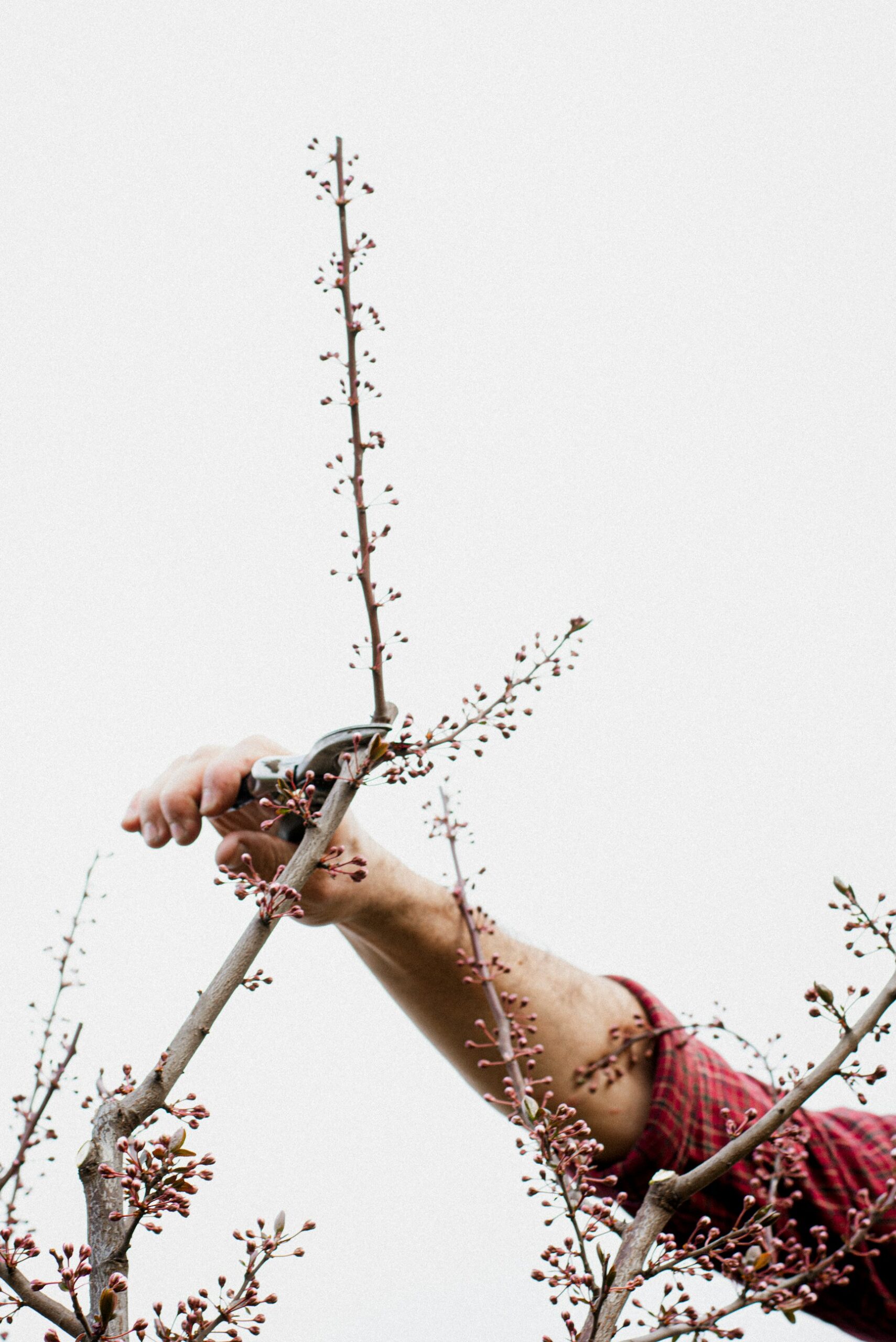
What Trees Are Protected in the Bendigo Council Area?
Professional First-Person Introduction:
Over the years of helping homeowners across Bendigo with arborist reports, council applications and complex tree removal jobs, one question has consistently caused the most confusion: “Is my tree protected?” It’s a fair question, because Bendigo has a unique mix of native bushland, historic precincts, and residential suburbs—each with its own set of vegetation rules. I’ve met many people who had no idea their tree was protected until the council asked for a planning permit, and a few who learned the hard way after removing a regulated tree without approval. In this article, I want to simplify everything for you. I’ll explain exactly which trees are protected in the Bendigo council area, what makes them significant, how overlays and native vegetation laws work, and how you can check your property before making any decisions.
Table of Contents
- Overview of Tree Protection in Bendigo
- Native Vegetation Protected Under State Law
- Planning Overlays That Protect Trees
- Vegetation Protection Overlays (VPO)
- Significant Landscape Overlays (SLO)
- Heritage-Listed and Significant Trees
- Council-Owned and Nature Strip Trees
- Trunk Diameter Rules and Size Thresholds
- Biodiversity and Habitat Trees
- Trees That Are Not Protected
- How to Check If a Tree Is Protected
- How an Arborist Can Help With Protected Tree Assessments
- Penalties and Risks of Removing Protected Trees
- Final Thoughts
Overview of Tree Protection in Bendigo
Tree protection in the City of Greater Bendigo is governed by a combination of:
- Victorian State Planning Provisions (particularly native vegetation controls)
- Bendigo Planning Scheme overlays
- Heritage registers and environmental significance listings
- Local biodiversity strategies
- Council management rules for public trees
Because these rules overlap, it’s possible for a tree to be protected for multiple reasons. Some trees are protected because they’re native vegetation; others because they’re visually significant or part of a heritage precinct.
Understanding these categories helps answer the core question: Is a permit required before removal or major pruning?
Native Vegetation Protected Under State Law
Native vegetation is heavily protected across Victoria, and Bendigo is no exception. If a tree is native to Australia and forms part of native vegetation, it may be protected by state-level planning laws, even if it is on private property.
Common protected native trees in the Bendigo region include:
- River Red Gum (Eucalyptus camaldulensis)
- Yellow Box (Eucalyptus melliodora)
- Ironbark (Eucalyptus tricarpa)
- Grey Box (Eucalyptus microcarpa)
- White Cypress Pine (Callitris columellaris)
- Red Stringybark (Eucalyptus macrorhyncha)
If these trees are part of native vegetation—meaning naturally occurring, not planted for landscaping—they may require a permit for removal, lopping, or significant pruning.
Does it matter if the tree is dead?
Yes. In many cases, even dead native vegetation is protected because it supports biodiversity, including hollow-dwelling species like possums, birds and microbats.
Planning Overlays That Protect Trees
The Bendigo Planning Scheme includes overlays that protect vegetation for environmental, cultural, scenic and heritage reasons. If your property is affected by an overlay, certain trees may be protected regardless of species.
The most common overlays are:
- Vegetation Protection Overlay (VPO)
- Significant Landscape Overlay (SLO)
- Environmental Significance Overlay (ESO)
- Heritage Overlay (HO)
Each overlay has its own rules about which trees are protected and what measurements apply.
Vegetation Protection Overlays (VPO)
VPO areas protect vegetation that is environmentally significant or critical to ecosystem health. If your property is in a VPO, removing or lopping trees often requires a permit.
VPO-protected trees may include:
- Mature native trees forming part of an ecological corridor
- Old-growth eucalypts
- Trees that provide habitat for threatened wildlife
- Trees contributing to soil and waterway stability
VPOs may protect both native and exotic trees if they are important to the landscape.
Significant Landscape Overlays (SLO)
SLOs protect trees that define the character of neighbourhoods, ridgelines, historic avenues and scenic bushland areas.
Under an SLO, you may need a permit to remove a tree that:
- Exceeds a minimum trunk diameter (often 30–40 cm)
- Contributes to the landscape character
- Forms part of a visually significant canopy
This applies regardless of species—meaning even healthy, exotic trees may be protected.
Heritage-Listed and Significant Trees
Certain trees are protected due to historic or cultural value. These may be individually listed or part of a broader heritage precinct.
Examples include:
- Trees planted as memorials or landmarks
- Historic avenue plantings
- Trees associated with heritage buildings
- Mature exotic species with landscape value (e.g., oaks, elms, pines)
Heritage trees often require both a planning permit and, in some cases, a heritage assessment.
Council-Owned and Nature Strip Trees
Trees located on:
- Nature strips
- Parks
- Reserves
- Public walkways and easements
are Council property—and are always protected. Residents cannot prune, lop or remove these trees without council authorisation.
Council-managed trees are removed only if:
- The tree poses an unacceptable risk
- The tree is diseased or failing
- Major infrastructure work requires removal (rare)
Trunk Diameter Rules and Size Thresholds
Some tree protections apply based on trunk size, regardless of species. This is most common in SLO and VPO schedules.
Typical thresholds:
A tree may be protected if it has a trunk diameter of:
- 30 cm or more at 1.3 metres above ground
- 40 cm or more in some overlays
These measurements are used to determine whether a permit is required.
Biodiversity and Habitat Trees
Some trees gain protection because they support local wildlife. In Bendigo, trees with hollows are particularly important because many native species rely on them for shelter.
Protected habitat trees may include:
- Old gum trees with hollows
- Trees providing nesting sites for birds
- Trees supporting threatened species
- Trees in areas mapped as high biodiversity value
Even if not covered by an overlay, these trees may still require assessment before removal.
Trees That Are Not Protected
Not every tree in Bendigo is protected. Common examples of non-protected trees include:
- Exotic ornamental trees not covered by overlays
- Declares weeds such as:
- Willow (Salix spp.)
- Desert Ash
- Tree of Heaven
- Hawthorn
- Fruit trees
- Small decorative species like crepe myrtle
- Recently planted garden trees
However—it is always best to confirm, because location and overlays can override species.
How to Check If a Tree Is Protected
1. Use Victorian Planning Maps
This tool shows whether your property falls under VPO, SLO, ESO or HO rules.
2. Identify the tree species
Native trees are more likely to be protected than exotic ones.
3. Measure the trunk diameter
Overlays often use size thresholds.
4. Consider habitat values
Trees with hollows or wildlife use may require assessment.
5. Ask a qualified arborist
An arborist can determine whether your tree is regulated or exempt.
6. Contact the City of Greater Bendigo
Council planners can confirm whether a permit is required.
How an Arborist Can Help With Protected Tree Assessments
An arborist plays a crucial role in determining whether removal is allowed. A professional can:
- Identify species (native vs exotic)
- Assess structural condition and safety
- Prepare arborist reports for permit applications
- Document hazards that justify removal
- Recommend alternatives such as pruning or risk mitigation
- Remove trees safely once approval is granted
In many cases, council requires an arborist’s report before approving removal.
Penalties and Risks of Removing Protected Trees
Removing a protected tree without approval can lead to:
- Large fines
- Enforcement notices
- Legal action
- Delays in renovation or building permits
- Neighbour disputes
- Insurance issues if damage occurs
These penalties can be expensive and stressful—far more costly than checking the rules first.
Final Thoughts
Understanding which trees are protected in the Bendigo council area can feel overwhelming at first, but the key takeaway is this: many trees are protected, especially native vegetation and trees in overlay areas. Whether a tree can be removed legally depends on species, size, location, and planning controls—each of which varies across the region.
If you’re unsure whether your tree is protected or you need help navigating overlays, permits or arborist reports, speaking with a professional is the safest and most efficient approach.
For expert help identifying protected trees, preparing reports, or safely managing removal in line with Bendigo regulations, visit Tree Removal Bendigo.